

Consolidated cargo is a mode of transportation where shipments from different customers are combined in a single container or a vehicle. It is ideal if your cargo doesn't fill a vehicle entirely: you pay only for the actual volume/weight and get international shipping at a price close to "wholesale". Most often, consolidated shipments include boxes, pallets, spare parts, equipment, consumer goods, textiles, cosmetics, electronics, and components — anything that can be safely consolidated and properly packaged.
Benefits for the cargo owner:
Budget savings
Payment is per cargo place, not per entire container/truck.
Flexibility
You can send small batches regularly without accumulating the warehouse stock.
Turnover rate
The product gets into production / for sale faster.
Transparency
Clear deadlines, control at every stage, unified support.
How SZMA Logistics organizes the transportation of consolidated cargo
We handle the entire process, from the preparedness of the cargo at the supplier's point to its delivery to your warehouse:

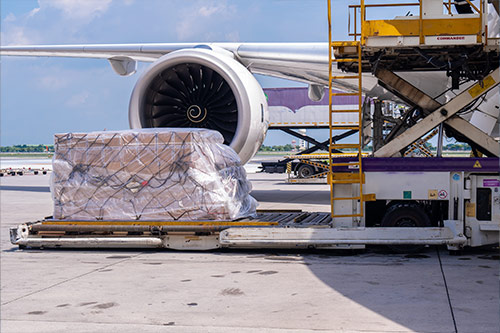
- selection of mode (by road/sea/rail/air or multimodal);
- calculation by weight/volume, deadlines and according to Incoterms;
- coordination of the shipping schedule and consolidation point.
- picking up cargo from the supplier;
- acceptance at the warehouse, checking of markings and the number of places;
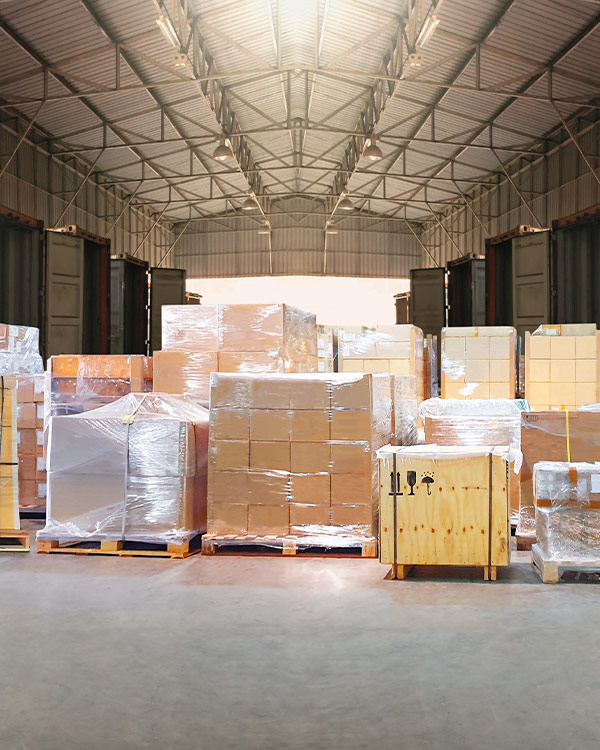
- repackaging, palletizing, crating, photo records, if required;
- consolidation of batches into one container/vehicle.
SZMA Logistics prepares and coordinates documentation package, including:
- invoice, packing list (checking the correctness of the data);
- transportation documentation (depending on the type of transportation);
- export/import formalities and interaction with the broker;
- consultations on the commodity nomenclature of foreign economic activity codes, labeling and packaging requirements;
- certification/permitting documents and support for their preparation, if required.
Depending on the route and delivery mode, we prepare and/or control a documentation set, including:
- movement tracking, status reporting;
- organizing the last mile to the warehouse / marketplace / production site;
- coordination of slots and unloading, closing documents.
Main destinations of consolidated cargo and standard goods
We assemble and ship consolidated shipments to key international destinations (depending on the client's needs — regular lines and customized solutions):
China → CIS/Europe
- Electronics and components, accessories, textiles, footwear, household goods, packaging, spare parts, small equipment.
Turkey → CIS/Europe
- Textiles, footwear, fittings, furniture components, household goods, finishing materials (in acceptable modes).
Europe → CIS
- Equipment, spare parts, tools, components for production, B2B and B2C goods.
UAE / Southeast Asia → CIS/Europe
- Consumer goods, electronics, accessories, components.
***If your cargo is non-hazardous, oversized, and suitable for consolidation, we will select the best consolidated shipping option. For complex categories (fragile, temperature-sensitive, with special requirements), we offer separate packaging and transportation conditions.
B2B (Business-to-Business) — goods (and supplies) sold business-to-business: to a manufacturer, a wholesaler, a distributor, a store, a service center, a construction company, etc. Examples: industrial equipment, machine tools, spare parts, raw materials and supplies, components for production, professional tools, retail/warehouse equipment.
B2C (Business-to-Consumer) — goods sold from a business to the end user (a regular buyer), most often through retail, online stores, and marketplaces. Examples: clothing, footwear, electronics, cosmetics, household goods, accessories, children's goods.
In logistics, these terms help to understand who the cargo is intended for and the best way to deliver it: B2B is often shipped in pallets/boxes to the company's warehouse, B2C — in smaller batches, sometimes with marketplace requirements (labeling, barcodes, packaging).