

Intra-port forwarding is the management of cargo and documentation within a port: from the moment the cargo arrives at the terminal until it is actually loaded onto a vessel or issued to the recipient. A port forwarder is your operational representative who coordinates with the terminal, carrier, regulatory authorities, and service contractors to ensure the cargo transits the port without downtime, unnecessary costs, or documentation "surprises".
SZMA Logistics organizes intra-port forwarding in ports of the Russian Baltic and the Azov-Black Sea basin ensuring transparent control of deadlines, cargo status, and costs at every stage.
What does a SZMA Logistics forwarder do?
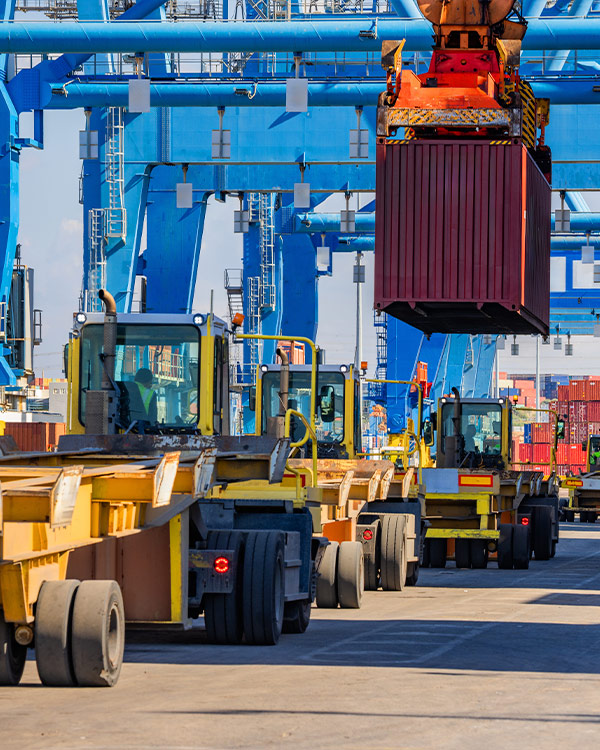
Preparation of logistics and a handling scheme
- Coordination of the optimal terminal/berth for the type of cargo and vessel (general cargo, bulk, containers, Ro-Ro, project/oversized shipments).
- Planning of intra-port technology: cargo acceptance, storage, transshipment, provision for loading/removal.
- Booking the terminal resources (windows, warehouse, equipment, teams) and coordinating the schedule.
Documentation and permits
- Checking the set of shipping documents and requirements of the terminal/line/charterer.
- Preparation/verification of loading/unloading instructions, labeling, tare and fastening requirements.
- Organizing the processing of passes, entry/exit applications, and coordinating the contractors' access to the port.
- Coordination of customs procedures (in conjunction with a broker), interaction on issues of inspections/checks, the correctness of codes/weights/descriptions.
Monitoring the readiness of cargo and transport
- Coordination of the cargo delivery to the port by road/rail, control of slots and order.
- Preliminary verification of weights, places, dimensions, and packaging condition.
- Organization of survey services, photographic recording, sampling (if required).
- Calculation of the port/terminal costs and agreement on the payment procedures.
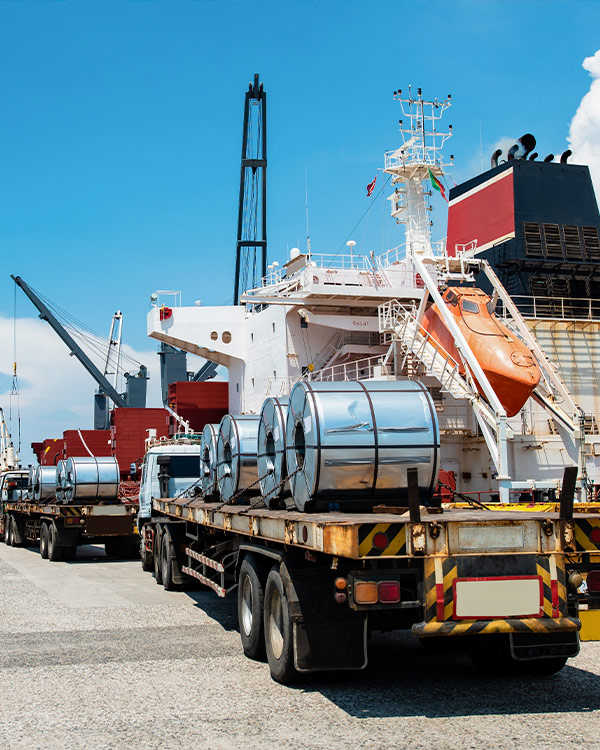
Operational management of cargo at the terminal
- Control of cargo acceptance at the terminal: verification of places, weight, condition, preparation of reports in case of discrepancies/damage.
- Organization of warehousing, intra-port movements, delivery of cargo under the crane / on the ramp.
- Coordination of the work of stevedores, terminal, surveyors and port security service.
- Monitoring compliance with loading/unloading technology, batch order, separation requirements, and cargo compatibility.
Documentary support "at the moment"
- Prompt processing of terminal documents, registers, lists, reports, and acceptance/delivery confirmations.
- Supporting inspections/examinations, participation in commission procedures.
- Control of the correctness of data for bills of lading / waybills (as far as this is within the forwarder's area of responsibility), minimizing the risk of "stops" due to errors in description/weight/quantity.
Special cargo and non-standard operations
- Organization of handling of oversized/heavy cargo: slinging plan, equipment selection, approvals, safe movement schemes.
- Coordination of dangerous goods (IMDG): checking declarations, markings, storage and loading conditions.
- Control of fastening and placement (lashing/securing) in cooperation with the terminal/contractor, registration of confirmations.
Continuous control of deadlines and costs
- Daily statuses on actual handling, deviations and reasons for downtime.
- Control of the terminal and contractors' charges, prevention of "unnecessary" operations and unforeseen expenses.
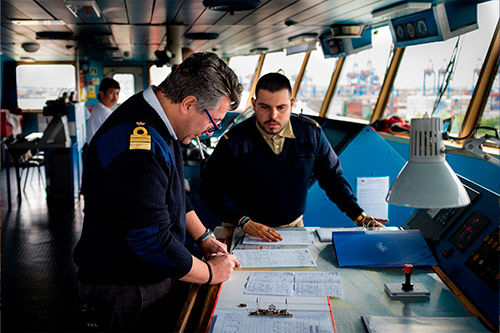
Closure of documents for the cargo part of the vessel call
- Final reconciliation of the actual loaded/unloaded volume: places/weight/batches.
- Receipt and verification of the final terminal documents, reports, timesheets (in terms of cargo operations).
- Transfer of shipment/delivery confirmations to all participants in the chain: sender, recipient, carrier, insurer (subject to agreement).
Coordination of the last mile within the port
- Organizing the removal of cargo from the port territory (road/rail), monitoring the processing of exit documents and passes.
- Closing applications, returning equipment/tare (if applicable), monitoring the return of containers/platforms.
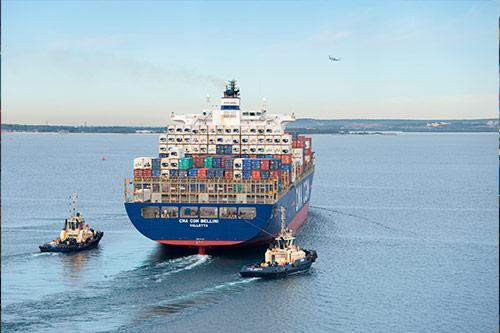
Documentation, reporting, and revision of disputable situations
- Submission of a complete set of closing documents and a cargo handling report.
- Reconciliation of the terminal/contractors' invoices, detailing of services, monitoring of compliance with the agreed rates.
- Handling complaints: shortages, damage, weight/quantity discrepancies, preparation of evidence (reports, photos, surveyor reports).
- Voyage analytics: where time/money was wasted and how to optimize the next call.
Where do we work?
The Russian Baltic Sea and the Azov-Black Sea basins taking into account the specifics of each port: limitations, access control system, seasonality, terminal workload, and document requirements.
Result for the client
Less downtime and documentation "stops"
Transparent cargo control at the terminal
Predictable time limits and costs
A single liable coordinator from SZMA Logistics for the entire intra-port cycle
Port specifics: St. Petersburg and Novorossiysk
St. Petersburg
- Work under high workload and strict access control conditions: precise slots, pro-actively prepared applications, and error-free cargo data are essential.
- During the season, special attention should be paid to weather factors and planning of the handling/removal schedule.
Novorossiysk
- A port with intense cargo traffic and weather restrictions (wind conditions): efficient management of the queue, the equipment readiness, and the documentation without interruption are crucial.
- Attention to transshipment technology and precise synchronization of the terminal-transport-vessel handling.
SZMA Logistics is your "operator inside the port".
We take care of the routine and control so that your cargo in St. Petersburg and Novorossiysk passes through the port quickly, transparently, and with predictable costs.