

Transportation by sea is the primary mode of cargo delivery in international trade. The main advantage of cargo transportation by sea is its low cost compared to other modes of transportation. It allows for the delivery of virtually any cargo, including oversized, heavy, bulk, container, and temperature-sensitive cargo requiring special transportation conditions. Vast geographical routes, a variety of vessel types and low costs make it the most optimal delivery mode in many cases.
International cargo transportation by sea is a key link in global trade.
It is the most cost-effective way to deliver large and heavy consignments of cargo over any distance. We organize transportation worldwide, using all types of vessels for maximum efficiency.
Main types of transportation and their features are:
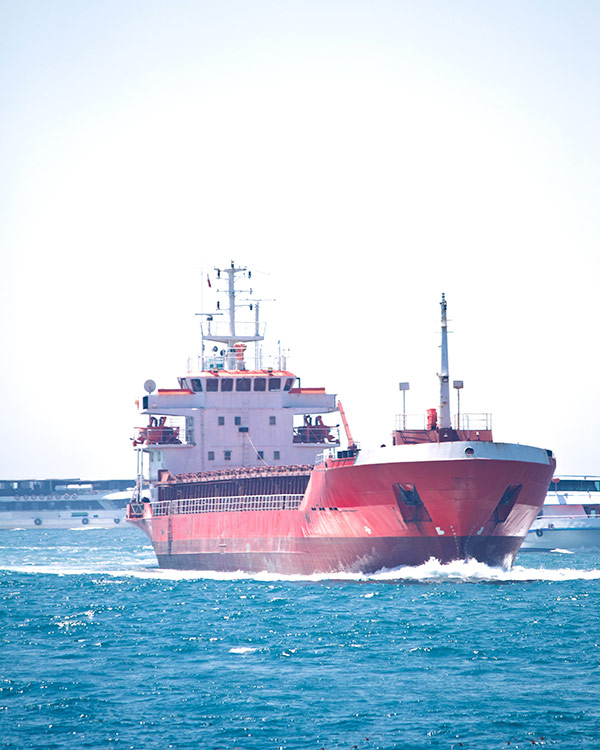
- What is transported: Standardized cargo in 20’, 40’, 45’ containers. Ideal for industrial goods, equipment, and packaged materials.
- Features: High security, fast handling at ports, possibility of multimodal door-to-door transportation. FCL is a full container load for a single client, LCL is a consolidated cargo load to save money.
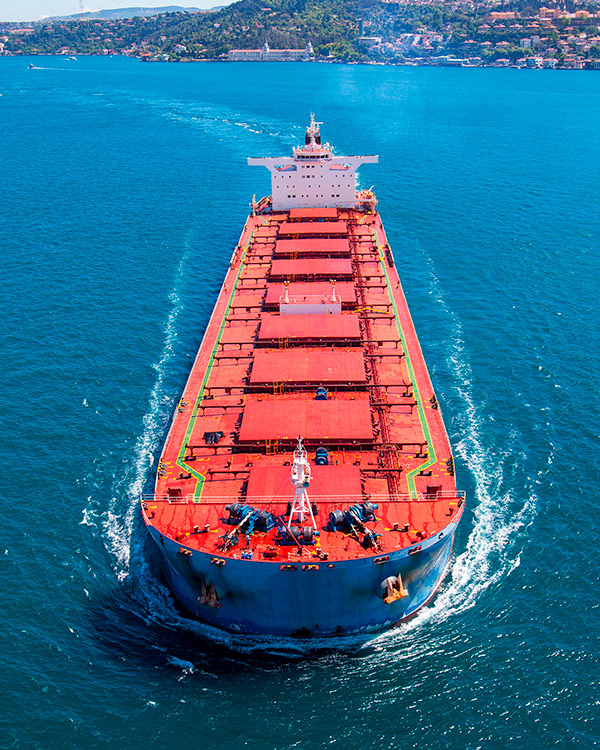
- What is transported: Bulk materials without tare — grain, ore, coal, cement, mineral fertilizers.
- Features: Specialized bulk carriers are used. Loading/unloading is carried out by elevators, conveyors or pumps.
- What is transported: Large and oversized equipment — construction equipment, turbines, industrial modules, yachts, timber cargo.
- Features: Require special fastening, loading planning and, in many cases, support. Vessels with reinforced decks and high lifting capacity cranes are used.
- What is transported: Liquid products — oil, petroleum products, chemicals, vegetable oils, wine.
- Features: Tankers with appropriate tanks (cofferdams) are required. Strict adherence to temperature conditions and safety requirements.
- What is transported: Perishable goods — food products (fruit, meat, fish), pharmaceutical products.
- Features: Containers or vessels are used that maintain a constant set temperature (cold, deep freeze).
- What is transported: Mobile equipment — cars, trucks, construction and agricultural machinery, buses, railway trains.
- Features: Roll-on loading along a ramp which minimizes the risk of damage and speeds up the process.
By choosing sea transportation, you achieve a balance of reliability, versatility, and optimal cost.
Types of cargo for sea transportation:
General (piece) cargo:
Finished products, equipment, machinery in individual packaging, timber cargo. Requires reliable fastening and protection.
Bulk cargo:
Bulk materials without tare (ore, coal, grain, cement, etc.). Transported in bulk in the holds of specialized vessels.
Liquid cargo:
Oil, petroleum products, chemical liquids, vegetable oils. Tankers with special storage systems are required.
Oversized and heavy cargo (ODC):
Construction and special equipment, industrial modules, structures. Careful calculation of loading and route is required.
Refrigerated cargo:
Food products, pharmaceuticals requiring maintenance of strict temperature-sensitive conditions in the holds of refrigerated vessels or containers.
Container cargo:
The most universal and popular type of transportation. The cargo is packed into standard ISO containers, which guarantees speed and safety of handling.
Types of containers for cargo transportation by sea
Standard dry cargo shipping containers (DV, DC):
20 and 40 feet. A universal solution for most general packaged cargo.
Refrigerated containers (RF, RK):
Equipped with their own refrigeration unit. For perishable goods, chemicals, special products.
Open Top (OT) containers:
Removable canvas top. Ideal for oversized or high cargo, for loading from above (by crane).
Flat Rack containers:
Without side and often without end walls. For heavy and large-sized equipment, pipes, non-standard structures.
Tank containers:
For transportation of bulk food, chemical and other liquid cargoes in safe tanks.
Containers with reinforced floors and ventilation:
For heavy loads or goods requiring constant air exchange.
Main types of vessels for transporting various categories of cargo
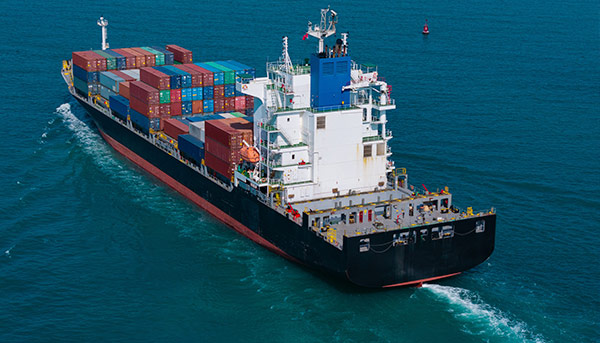
Container ships
The main "workhorses" of global trade. Used for transportation of standardized containers. They vary in capacity: from feeder vessels to giant Panamex and New Panamex.
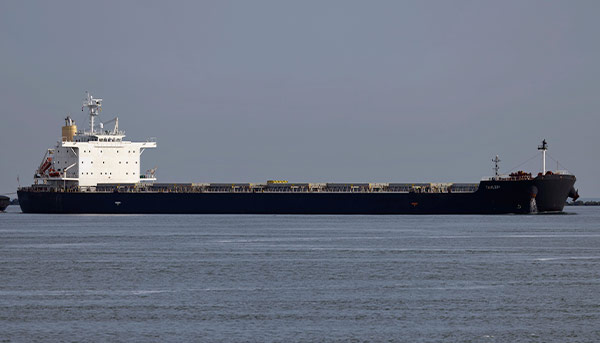
Bulk carriers
Designed for bulk materials (ore, coal, grain). They have a large load capacity.
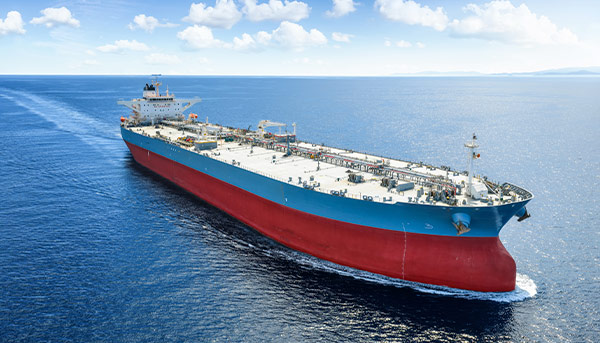
Tankers
They transport liquid cargo: from crude oil (bulk oil, VLCC, ULCC) to liquefied gas (gas tankers) and chemicals (chemical tankers). Equipped with sophisticated security systems.

RO-RO vessels
Vessels with horizontal loading via a ramp. For wheeled vehicles: cars, trucks, construction and agricultural machinery, trailers.
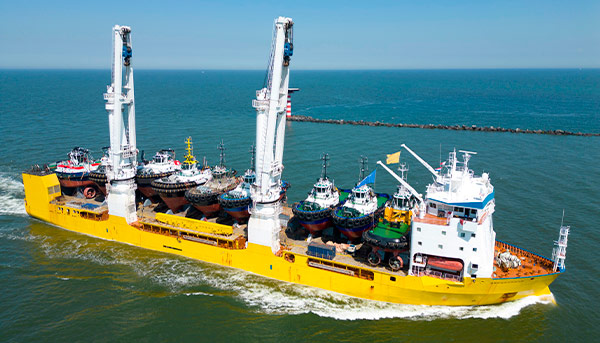
Vessels for heavy and oversized cargo (Heavy Lift)
Equipped with powerful cranes and reinforced decks for transporting unique project cargo: yachts, wind turbines, and parts of drilling platforms.
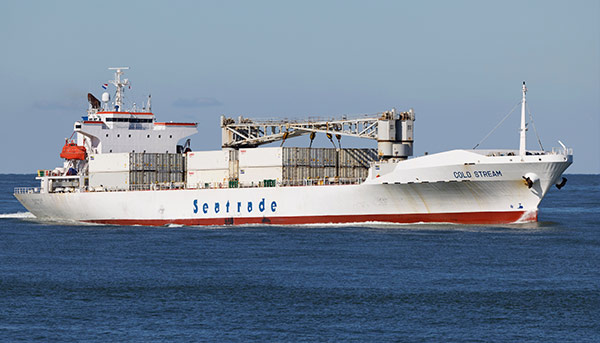
Refrigerated vessels (Reefer)
For transporting perishable products in large volumes where containers are not sufficient. They have temperature-controlled holds.
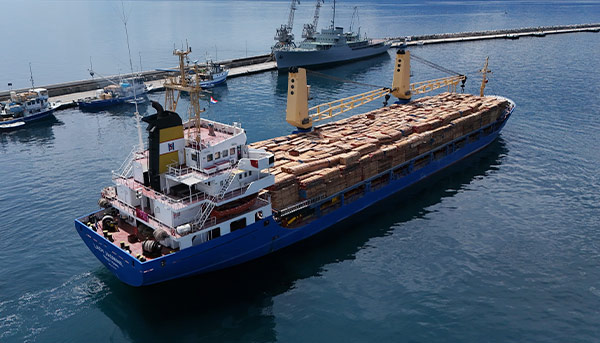
Timber vessels
Specialized vessels for the transportation of sawn timber, round timber and timber in bundles. They have a reinforced frame and special fastenings for the safe transportation of bulky, but relatively light cargo.
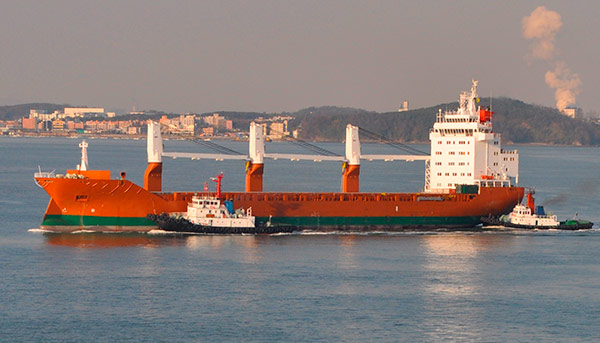
Multipurpose / General Cargo vessels
Indispensable for mixed and non-standard lots. They are capable of simultaneously handling various types of cargo: general cargo, oversized cargo, containers, heavy-lift cargoes, and even small tanks for transporting small volumes of liquid cargo. Equipped with their own cargo cranes and booms, which allows them to operate in ports with limited infrastructure.